
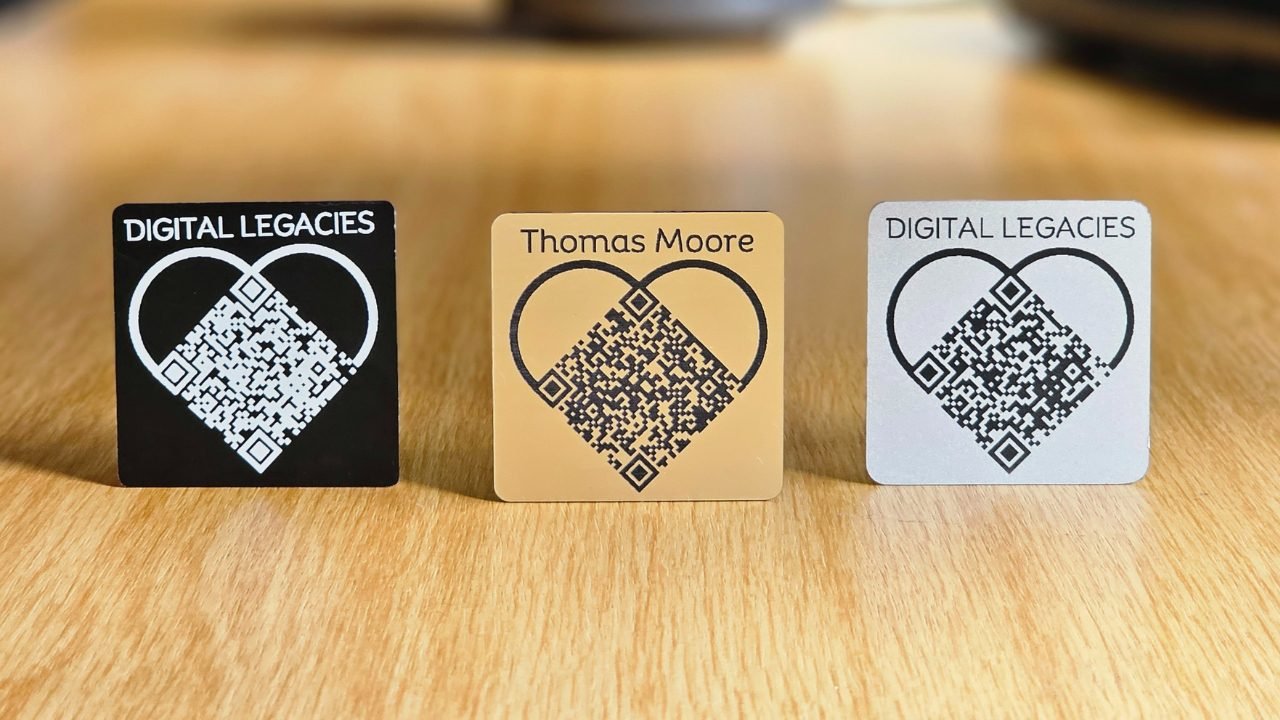
In a world that is increasingly moving online, the way we honor and preserve the memory of loved ones is also evolving. Traditional memorials such as gravestones, plaques, and physical mementos have always played a significant role in remembering those we’ve lost, but as technology advances, digital memorials are quickly becoming the future of legacy preservation. More and more families are choosing to embrace this new trend to celebrate their loved ones in a meaningful, accessible, and lasting way.
Let’s explore why digital memorials are gaining popularity and why they offer a powerful alternative (or complement) to traditional methods of memorialization.
1. Accessibility and Global Connection
One of the most significant advantages of digital memorials is their accessibility. In today’s connected world, friends and family members are often spread across different cities, countries, or even continents. A digital memorial allows loved ones from anywhere in the world to come together in one shared space, regardless of geographic location.
Virtual memorials provide a platform where everyone, from immediate family to distant friends, can contribute stories, photos, videos, and messages. Unlike physical memorials, which may require travel, digital memorials can be accessed at any time, making them especially meaningful for those who cannot attend in-person memorial events.
2. A Space for Rich, Personalized Storytelling
While a gravestone or physical plaque typically provides basic information like a name and date, digital memorials offer the opportunity to tell a full, vivid story of a person’s life. Families can upload photos, videos, letters, and other personal artifacts that encapsulate the essence of who their loved one was. Through this interactive and multimedia format, the memorial becomes a living archive, offering insights into their personality, values, and the relationships they held dear.
With a digital memorial, families can:
- Share cherished memories from all stages of life
- Document significant achievements and milestones
- Capture a collection of anecdotes, stories, and messages from loved ones
- Continuously update the profile as memories resurface over time
This level of personalization allows a more complete, dynamic, and heartfelt remembrance that truly reflects the individual’s legacy.
3. Environmentally Friendly
As society becomes more conscious of environmental impacts, digital memorials offer an eco-friendly option for preserving legacies. Traditional methods, such as elaborate gravestones or headstones, often involve the use of materials that have a lasting environmental footprint. In contrast, digital memorials exist entirely online, reducing the need for physical resources.
Additionally, families who opt for digital memorials may also forego or minimize the need for paper-based items, such as printed memorial programs or remembrance cards. It’s a small yet impactful way to honor someone’s memory while respecting the environment.
4. Permanence and Preservation Over Time
One of the concerns with traditional memorials is their vulnerability to the passage of time. Weather conditions, vandalism, or natural wear and tear can damage or erode physical markers. Digital memorials, on the other hand, are not subject to the same risks.
Hosted on secure servers and backed up regularly, a digital memorial can remain intact for generations, ensuring that the memories, photos, and stories shared today will be accessible for future descendants. The longevity of a digital memorial provides peace of mind for families, knowing that their loved one’s legacy will be preserved without the threat of physical deterioration.
5. Flexibility and Ease of Updates
Another powerful benefit of digital memorials is their flexibility. While traditional memorials are often static once completed, digital memorials can be updated at any time. Families can continue adding new memories, tributes, and content over the years, allowing the memorial to evolve and grow.
For example, families may want to:
- Add new photos or videos as they surface
- Include tributes on significant anniversaries or birthdays
- Record new stories from loved ones who didn’t get a chance to share earlier
This dynamic and ongoing approach ensures the memorial remains a living testament to a person’s life, adapting and growing as memories are collected and preserved.
6. A Sense of Community and Healing
Digital memorials create a community space where everyone can contribute, reflect, and remember together. This collective experience is especially meaningful during the grieving process, as it allows family and friends to share in each other’s memories and offer words of support and comfort.
Digital platforms encourage interaction—whether it’s leaving a tribute, uploading a photo, or simply scrolling through the shared memories. This interactive element fosters a sense of connection, allowing individuals to heal through shared experiences and conversations. The ability to continue visiting and contributing to the digital memorial offers an ongoing space for grief, reflection, and celebration of life.
7. Keeping the Memory Alive Across Generations
Digital memorials are an ideal solution for ensuring that a loved one’s memory is passed down through generations. Future descendants can access these profiles, allowing them to learn about their ancestors in a personal and intimate way. It’s a way of connecting past, present, and future generations through stories, memories, and legacies.
Why Digital Memorials are Here to Stay
The growing trend toward digital memorials reflects the ways our world and traditions are adapting to technology. People want to ensure that the legacies of their loved ones endure for years to come, and digital platforms offer the flexibility, accessibility, and personalization that many are looking for in a memorial.
By offering an interactive, multimedia approach to legacy preservation, digital memorials empower families to honor their loved ones in meaningful ways that go beyond traditional memorials. It’s not just about creating a place to remember—it’s about creating a lasting tribute that future generations can cherish.